 RCIC R509156Regulated Canadian Immigration Consultant (RCIC) R509156
Personal Support Worker & Home Caregiver Hiring
Bringing in a qualified personal support worker or home caregiver for your child, an aging parent, or a family member living with a disability involves real immigration rules — and those rules changed significantly in the past two years. Here's what's actually possible right now, and how to do it correctly.
Overview
What This Covers
Two occupations fall under Canada's home caregiver framework:
In-home child care.
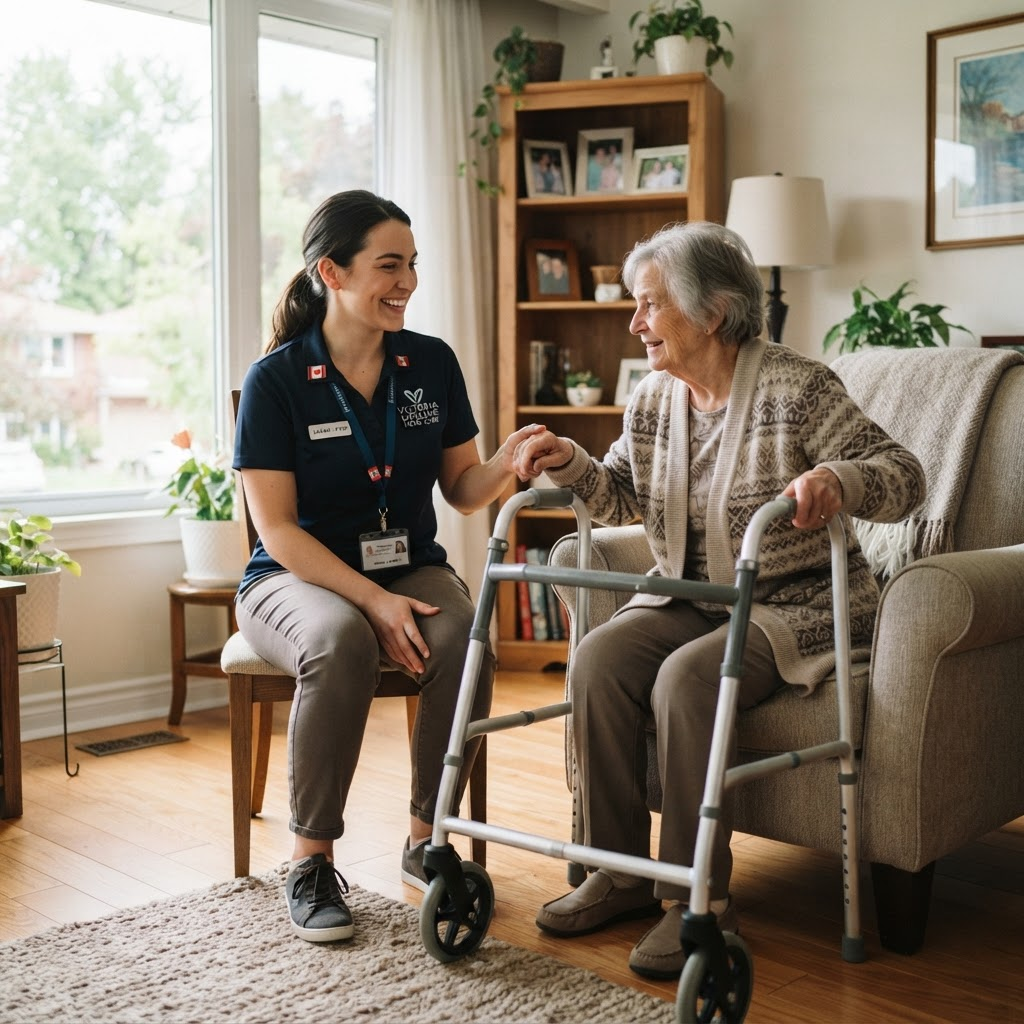
In-home care for seniors, and for people with a disability, chronic illness, or terminal illness — the category most personal support workers fall under.
2026 Reality Check: The Landscape Has Shifted
Several caregiver programs that families relied on in past years are now closed, and what's actually available today depends heavily on where your candidate is currently located:
All federal permanent residence caregiver pilots are closed. The Home Child Care Provider and Home Support Worker Pilots stopped accepting new applications on June 17, 2024. The newer Home Care Worker Immigration Pilots filled their caps almost immediately and are paused, with no reopening expected before March 2027.
There is currently no route to bring in a brand-new caregiver from abroad specifically for these two occupations. You can only hire a caregiver through the Labour Market Impact Assessment (LMIA) process if they're already in Canada with valid status (a work or study permit, or work-permit-exempt status).
This is a meaningful, often-overlooked shift — a lot of information online still describes the pre-2024 process. We can walk you through what's actually available for your specific situation.
Your Options
What's Available as a Canadian Employer
| Your Situation | Available Route |
|---|---|
| Candidate already in Canada with valid status (work or study permit, or work-permit-exempt) | Temporary Foreign Worker Program (LMIA-based work permit) |
| Candidate currently abroad | No current pathway for these occupations — pilots are closed |
If your candidate is currently abroad, some families explore whether they qualify under a different immigration category first (for example, as a student or through another work permit stream) — this needs a proper assessment, not a shortcut.
Eligibility
Hiring Through the LMIA Route
- Be a private household or a non-institutional care agency/business
- Obtain a CRA Business Number — individuals hiring a caregiver are legally considered employers
- Show proof that you or a dependant genuinely needs care
- Demonstrate financial ability to pay the caregiver's wages (assessed against Statistics Canada's low income cut-offs, using your Notice of Assessment)
- Pay at least the prevailing wage for the occupation and region, per Job Bank
- Functional English or French — enough to communicate independently in an unsupervised setting
- Relevant training, qualifications, or experience for the role (formal education isn't always required, but employers must ensure the worker can safely perform the job)
- Where the role is a regulated occupation, appropriate registration or certification with the relevant provincial body
Hiring for a Parent? You Can Share the Employer Role.
This is one of the most useful — and least known — details in the program: up to 2 people can act as joint employers to sponsor one caregiver. For example, 2 adult children can jointly hire a caregiver for an incapacitated parent, splitting the responsibility. Only one LMIA application is needed, but both individuals must meet the requirements and sign all the documents. If one person's income alone isn't enough to meet the financial ability test, both incomes can be combined.
Costs
Government Fees
LMIA Application
Per position — often exempt (see below)
CAD $1,000
Work Permit
Paid by the worker
CAD $155
Biometrics
If applicable
CAD $85
Good News: Most Families Don't Pay the $1,000 LMIA Fee
The LMIA processing fee is waived entirely for:
- Home care for someone with a medical need — a medical certificate confirming the person's incapacity to care for themselves is required.
- Child care in the home for a child under 13, where the household's gross annual income is $150,000 or less.
If you're hiring a personal support worker for an elderly or disabled parent with the required medical documentation, you likely qualify for this exemption.
Obligations
What Employers Are Responsible For
Transportation
For low-wage positions, you must pay the caregiver's travel costs to Canada upfront.
Housing
You can't require a live-in arrangement; if the caregiver lives in, the accommodation must be a private, furnished, lockable bedroom, provided at no cost. If they live out, you must be able to show suitable, affordable housing is available in your area.
Health insurance
Private emergency medical coverage until provincial health insurance begins, at no cost to the worker.
Workplace safety insurance
Through your provincial/territorial system.
A signed employment agreement
Provided by the worker's first day, in their preferred official language.
Applications for caregiver positions offered exclusively on a live-in basis may face extra scrutiny or be refused outright under current policy — a live-out or optional live-in arrangement is generally a stronger position.
Support
How We Can Help
Confirming which route is actually available for your situation — before you spend time or money on the wrong one
Preparing the proof-of-need documentation and financial ability assessment
Structuring a joint-employer arrangement when siblings or family members are sharing responsibility for a parent's care
Managing the LMIA application, wage assessment, and recruitment/advertising requirements
Guiding the caregiver through their work permit application once the LMIA is approved
Processing times vary by case and volume — we track current IRCC and Job Bank estimates so you know what to expect.
Details & FAQ
Caregiver Hiring, FAQ
Need a Caregiver for Your Family?
Whether you're arranging care for a child, an aging parent, or a family member with a disability, the right process depends on details that are easy to get wrong — and getting it wrong can mean a refused LMIA or a worker who can't actually come. Let our licensed immigration professionals assess your situation and manage the process for you.
This page covers the federal caregiver hiring process administered by IRCC and ESDC. Caregiver immigration programs have changed significantly and continue to evolve — this page reflects our understanding of current federal policy as of 2026. This is a guide, not legal advice. Always confirm current requirements for your specific situation before applying.